XPRIZE Wildfire: New Technologies Accelerate Fire Detection
While detection speeds have improved, full automation of fire suppression remains a complex hurdle.
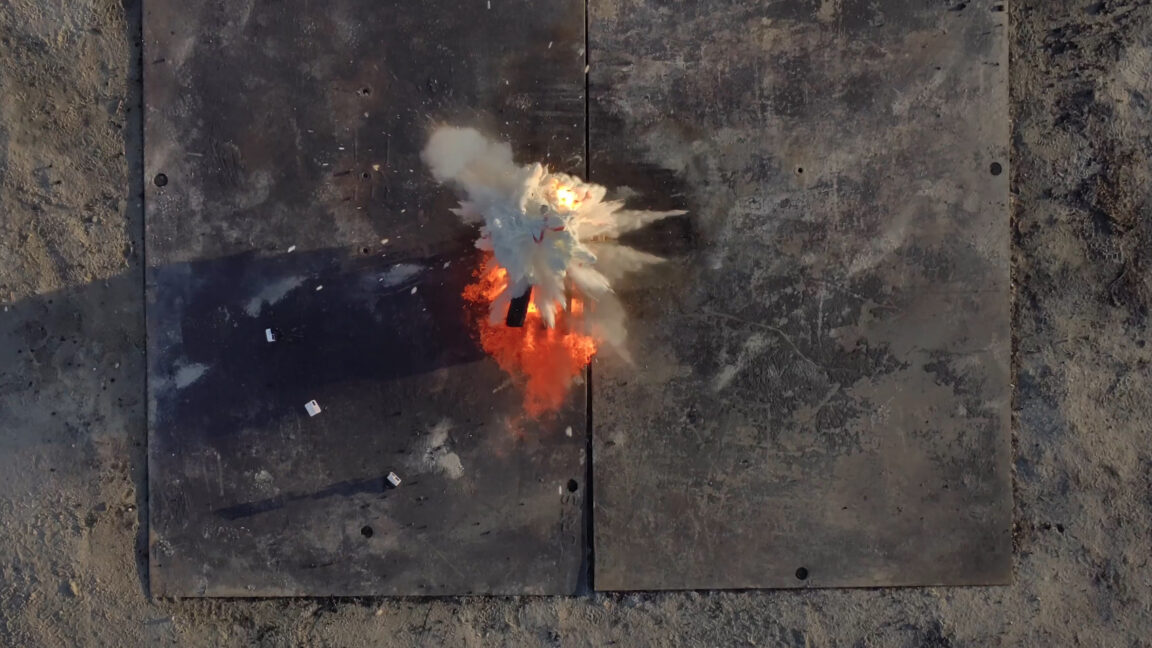
Technological innovations could fundamentally change how we combat wildfires. As reported by Ars Technica, finalists in the $11 million XPRIZE Wildfire competition have demonstrated systems capable of detecting fires in just 10 minutes. While no grand prize winner was named this year, the competition proved that modern technology is ready to assist firefighters in critical situations.
Two Core Directions
The competition was divided into two main categories. The first focused on space-based technology, requiring teams to accurately identify fires across a large area in Australia within a 10-minute window. The second category involved autonomous response systems: in the Alaskan wilderness, contestants were tasked with independently detecting and extinguishing high-risk fires without being misled by decoy targets.
Although autonomous drones and satellite systems have shown significant progress in rapid fire detection, fully automating fire suppression remains a challenge. However, as Andrea Santi, program director for XPRIZE Wildfire, notes, the primary goal is not to replace firefighters, but to provide them with safer and more effective tools.
Why This Matters
Globally, the scale of wildfires and the costs associated with managing them are increasing every year. Technologies that ensure early-stage fire detection are vital for protecting ecosystems and ensuring human resources work in the safest possible environment. For countries like Georgia, where forest fires are frequent during the summer, the development of such automated systems could eventually become an effective preventive mechanism.