US Scraps Power Plant Emission Limits Amid Surging AI Energy Demand
The Trump administration prioritises AI infrastructure over climate regulations.
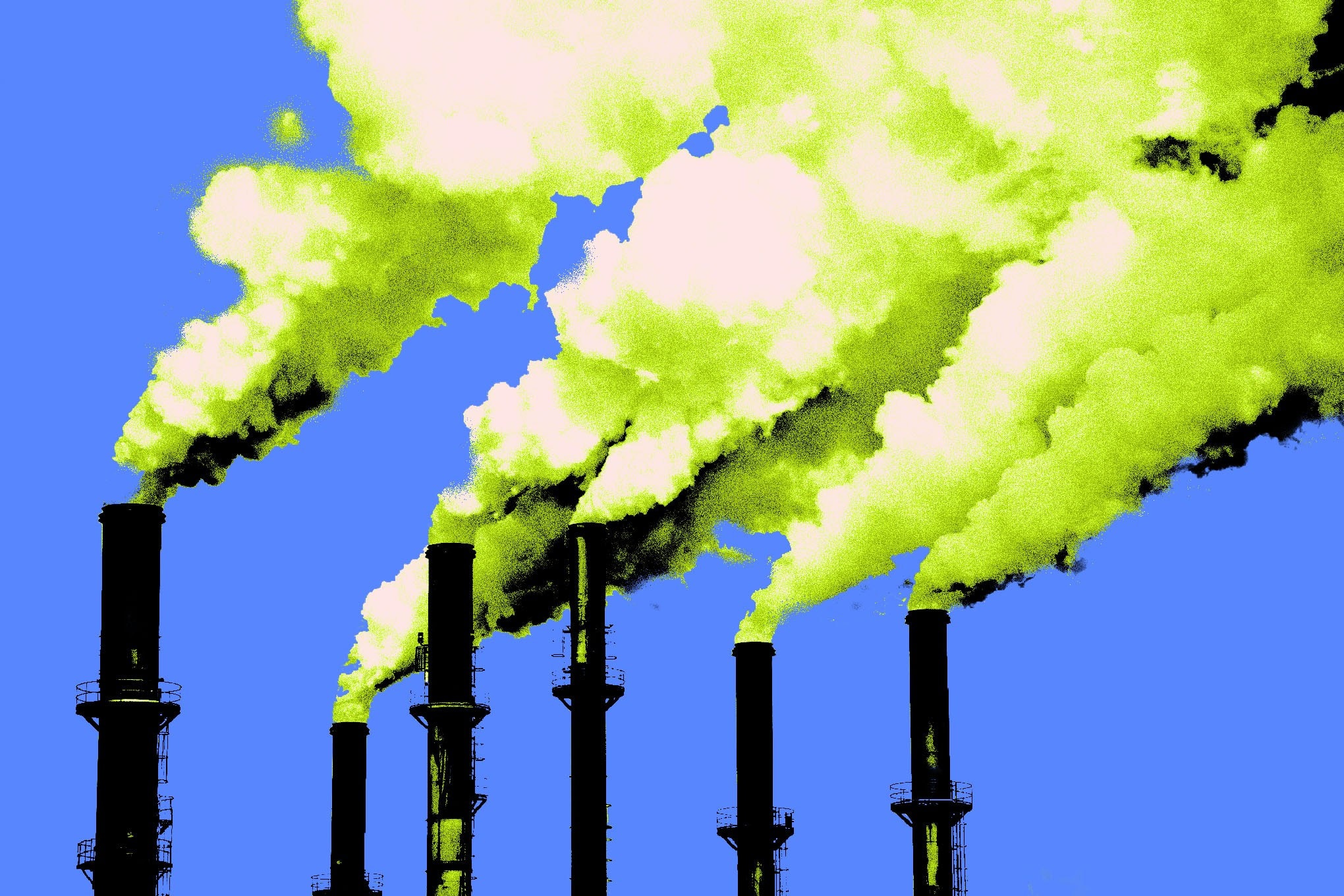
The US Environmental Protection Agency (EPA) has officially announced a plan to fully repeal existing greenhouse gas emission limits for power plants across the country. As reported by The Verge, this decision by President Donald Trump’s administration is designed to meet the growing demand for energy, driven primarily by the development of artificial intelligence (AI), the rise in electric vehicle usage, and the revitalisation of domestic manufacturing.
Energy Deficits and AI Infrastructure
Training modern AI models and maintaining their daily operations requires colossal energy resources. As AI technology spreads rapidly, the demand for electricity in the United States is surging, placing immense strain on the existing energy grid.
The EPA’s new proposal is part of Donald Trump’s broader policy aimed at incentivising the use of fossil fuels and streamlining the construction of energy-intensive data centres. While removing emission restrictions will make electricity production more polluting, it is intended to shield the technology sector from energy shortages.
Environmental Groups Protest
Environmental and consumer rights organisations are actively opposing the initiative. They argue that the wave of deregulation initiated by the Trump administration poses a serious threat to the environment and public health.
Critics contend that repealing greenhouse gas limits will lead to increased air pollution and drive up both environmental and healthcare costs. Although energy accessibility for the AI sector is increasing, the long-term climate risks are rising significantly.