FDA Nominee Faces Scrutiny During Senate Confirmation Hearing
The nominee for FDA commissioner avoided direct answers on vaccination and reproductive health during a tense Senate confirmation hearing.
Senate Hearing and Critical Questions
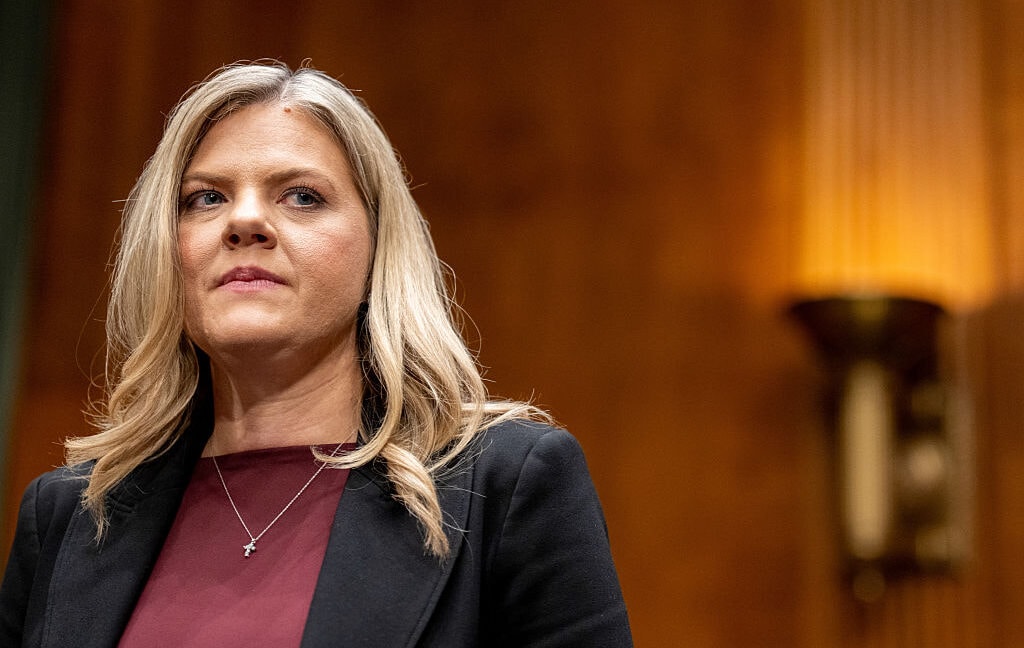
As reported by Ars Technica, Marty Makary, the nominee for commissioner of the U.S. Food and Drug Administration (FDA), appeared before the Senate Health Committee. During the two-hour hearing, Makary was pressed on issues ranging from vaccination and reproductive health to the regulation of vaping devices. However, the nominee avoided providing direct answers, which drew frustration from lawmakers.
Makary, a physician and researcher, faced questions regarding his suitability for the role. Despite his medical background, his candidacy has been subject to scrutiny due to his past collaborations with conservative think tanks and his previously stated positions on reproductive health. This is particularly relevant given the ongoing discussions surrounding the FDA's safety review of the medication mifepristone, despite the existence of robust scientific evidence supporting its use.
Stance on Vaccines
Another issue that garnered significant attention was the nominee's association with statements made by President Trump regarding vaccines. During an August press conference attended by Makary, the President referred to the MMR (measles, mumps, and rubella) vaccine as "pretty lethal."
Trump also voiced unsubstantiated claims regarding the volume of vaccine doses administered to infants, suggesting that the vaccination process should be divided. The medical community has noted that there is no scientific benefit to such a division, and that separate vaccines for these individual components are not available on the U.S. market.
The outcome of the Senate hearing is significant not only for the U.S. healthcare system but also for global medical policy. The position of FDA commissioner plays a critical role in establishing drug safety standards, and the lack of clarity from the candidate may impact future public trust in regulatory decisions.